
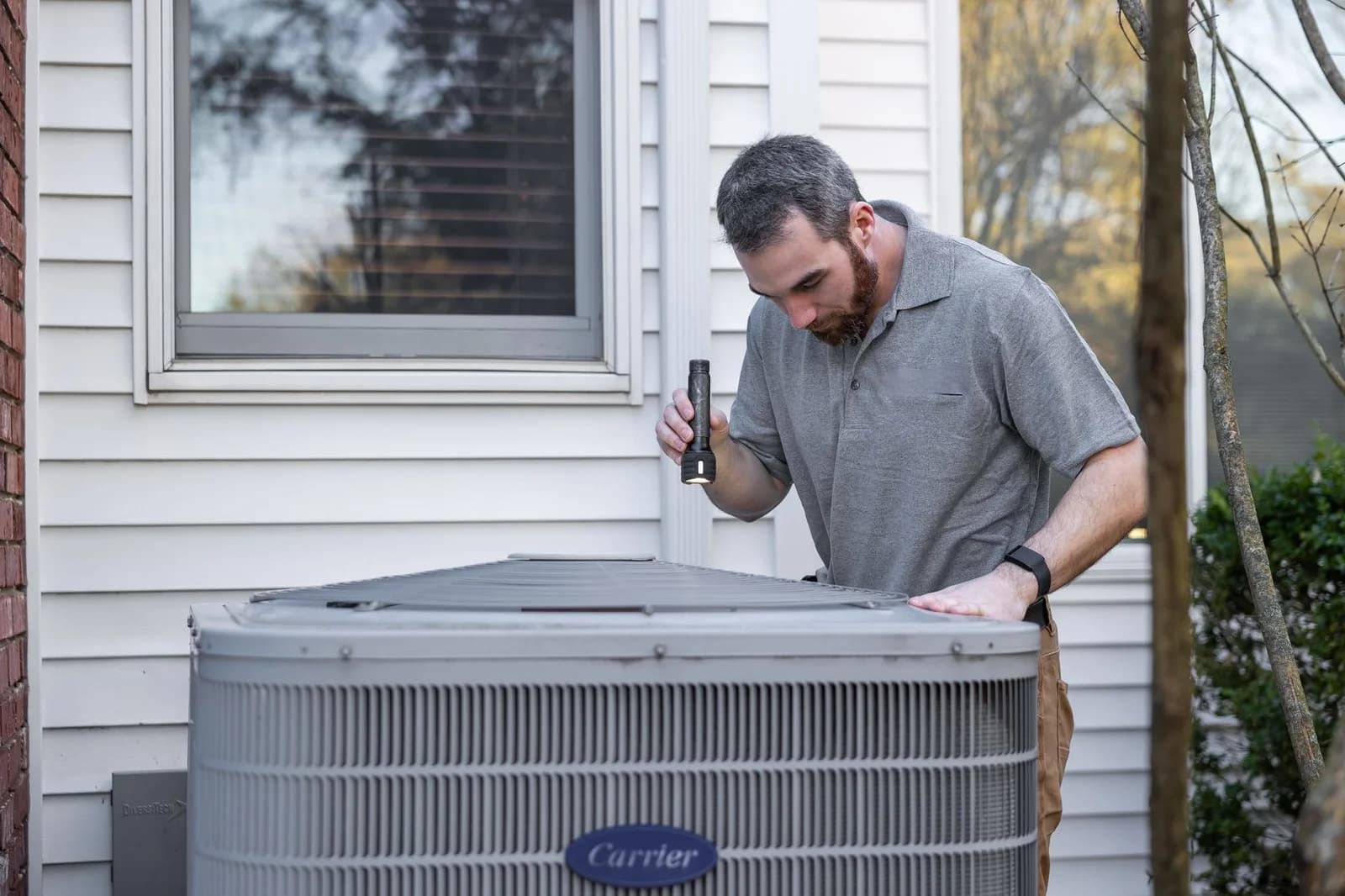
A Canyon Microclimate Asks More of a Maintenance Schedule
Every AC system benefits from an annual tune-up somewhere, but the case is stronger here than in most of the surrounding region. Dry summers combined with open brush land ringing the community mean dust and fine debris land on outdoor equipment faster than they would in a denser, more paved neighborhood. A coil that would stay reasonably clean through a season in a paved tract development can carry a visible layer of grime in Bell Canyon before summer even arrives. That buildup cuts into the system's ability to shed heat, forcing it to work harder right when it matters most.
Spring Beats Waiting for the First Hot Stretch
Most homeowners we work with here book a tune-up sometime between March and May, ahead of canyon temperatures climbing into the 90s. Two reasons drive that timing. Catching a weak capacitor or a slow leak in March means fixing it on a normal schedule rather than during a July emergency call, when every technician in the region is booked. And a system that starts the season clean and correctly charged simply runs more efficiently across the entire summer, not only on the season's first hot day.
What a Complete Tune-Up Includes
Refrigerant Charge Verification
A system running low on refrigerant, typically from a small leak somewhere in the line set, loses cooling power and puts added strain on the compressor. We check the charge against manufacturer specs and flag anything pointing toward a leak that needs further diagnosis.
Condenser and Evaporator Coil Cleaning
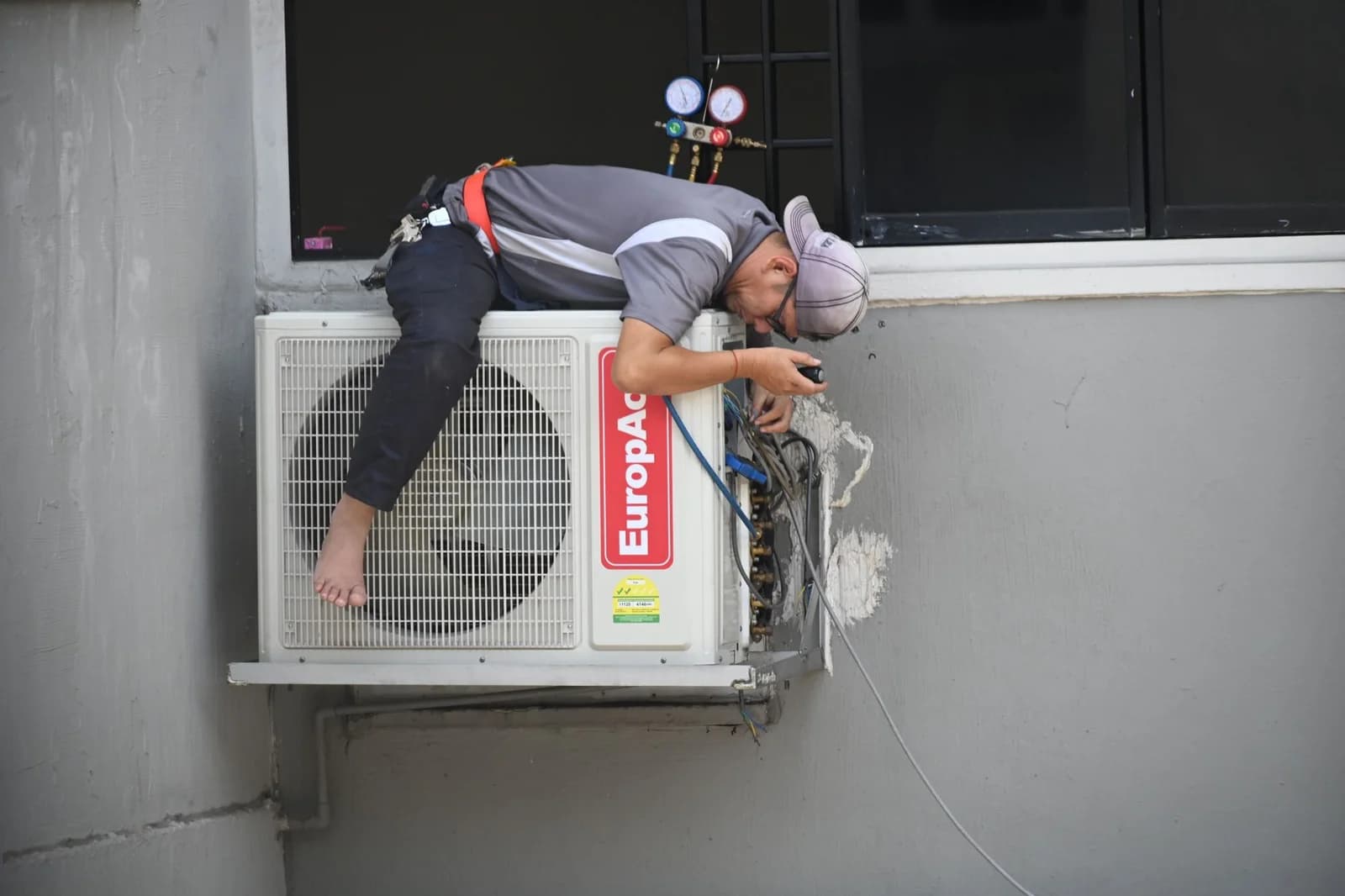
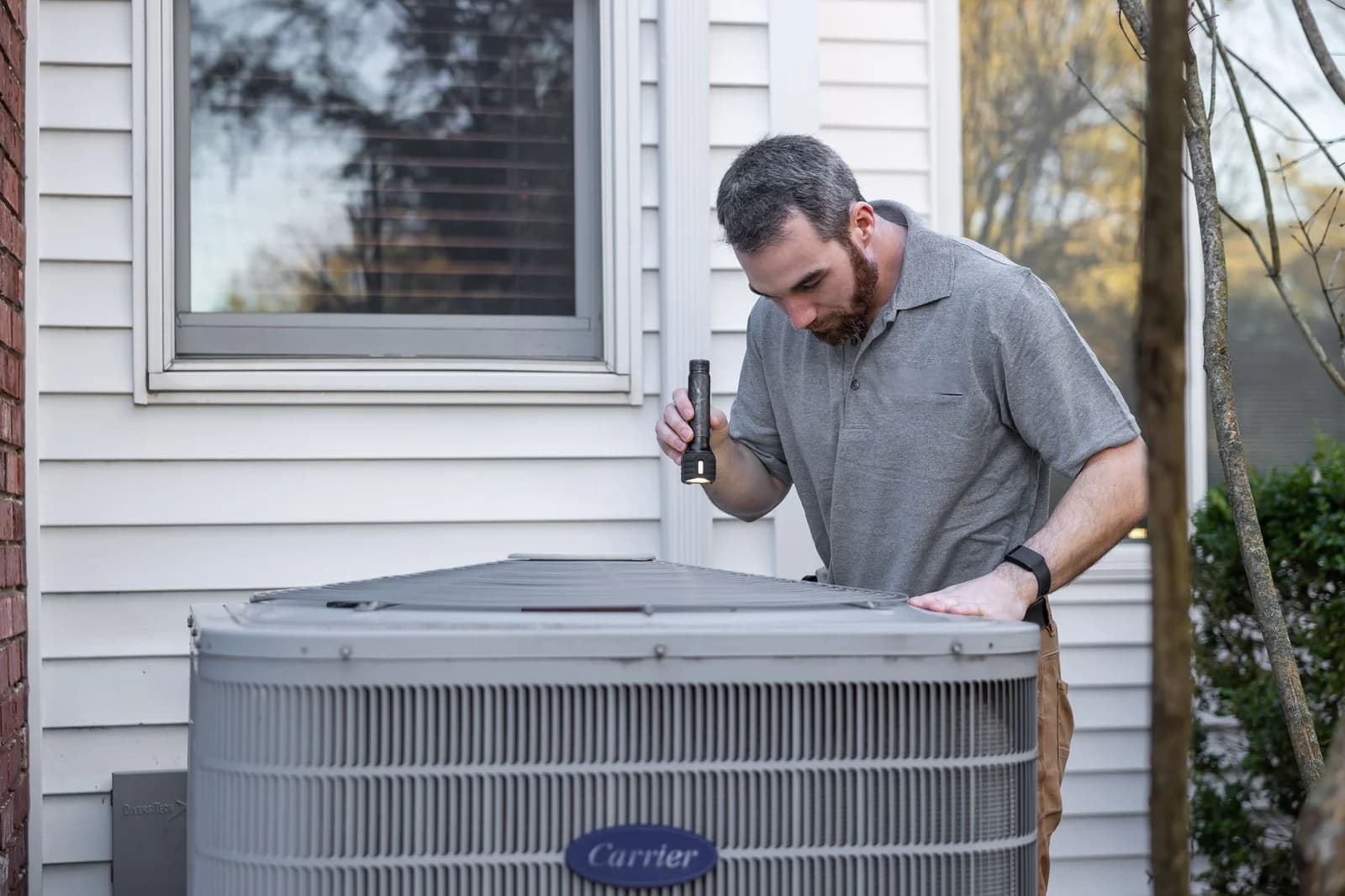
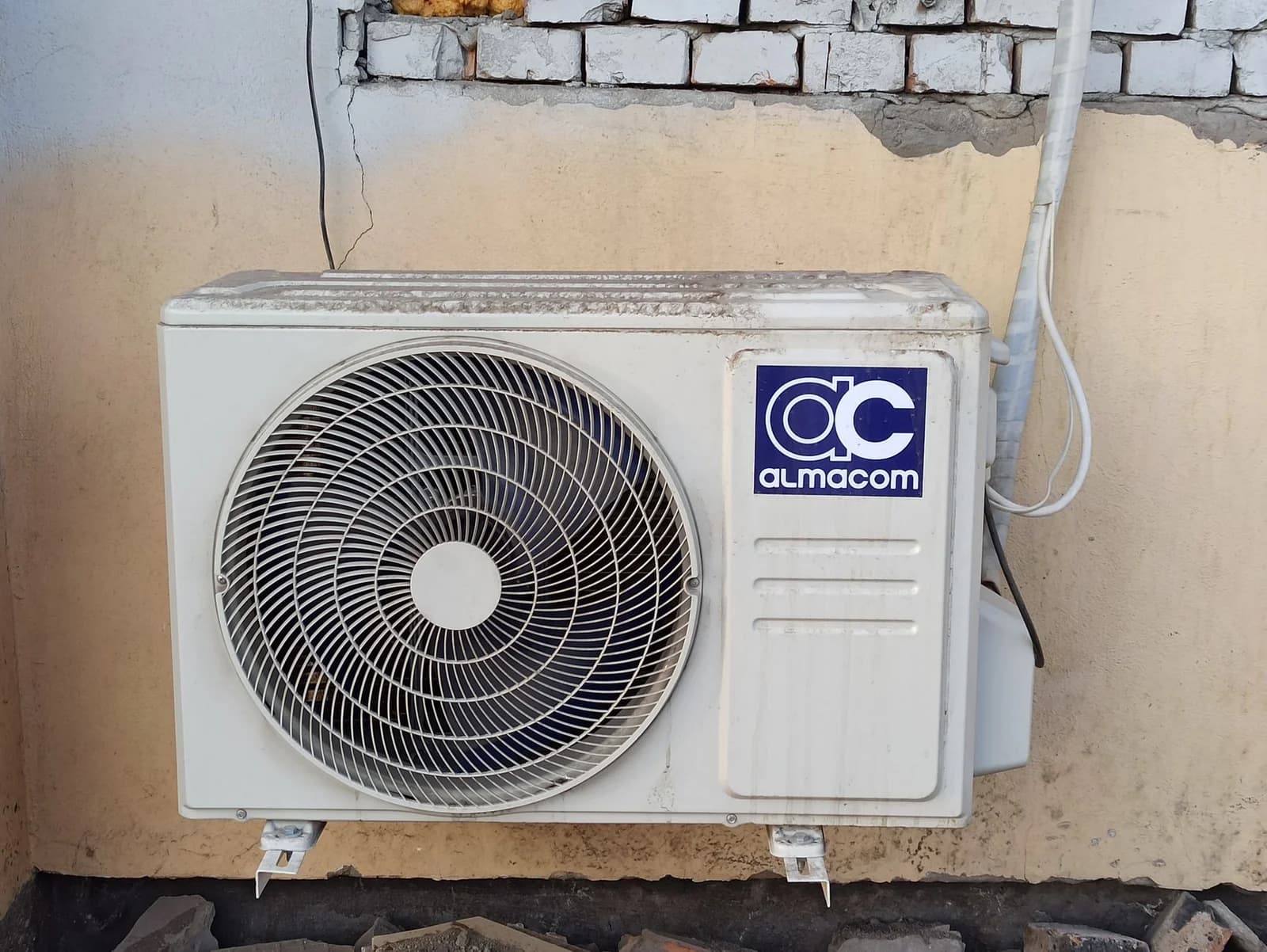
Both coils have to be clean to move heat the way they are designed to. The outdoor condenser, sitting exposed to canyon dust and brush debris directly, usually needs more attention than the indoor evaporator coil, though both get checked and cleaned during a proper visit. A dust-coated coil behaves almost like an insulating layer, blocking the heat transfer the whole system relies on.
Electrical Connection Inspection
Loose or corroded connections rank among the more common reasons an AC fails outright. Ordinary vibration works screw terminals loose over time, and the swing between hot canyon days and cooler canyon nights adds a thermal cycling effect that speeds that process along. Every accessible connection gets tightened and checked during the visit.
Thermostat Calibration
A thermostat reading even a degree or two off from the actual room temperature makes a system run longer than it needs to, or shut off before the house actually feels comfortable. We confirm calibration and check that any programmed schedule still matches how the household actually uses the space.
Condensate Drain Clearing
The condensate line carries away the water an AC pulls out of the air while cooling. Algae or debris buildup can clog that line, and a clogged line can back up into attic spaces or ceilings, sometimes causing water damage that costs far more to fix than the tune-up itself. Clearing it is a quick, preventive part of the visit.
Filter Replacement
Given how much dust moves through the air here during dry, windy stretches, checking filters on a shorter interval than the standard three month guidance printed on most boxes makes sense. A tune-up is a natural point to swap the filter and reset the clock for the season ahead.

A Full Cycle Test Before We Leave
The last step runs the system through a complete cooling cycle, confirming airflow, the temperature drop across the evaporator coil, and overall performance all fall within normal range.
Santa Ana Winds and Wildfire Smoke Complicate Things Further
Beyond routine dust exposure, Santa Ana wind events kick up debris well past anything a calm day produces, and occasional wildfire smoke drifts through the region during fire season. Both foul filters and coat outdoor coils faster than typical weather ever would. A wind event or a smoky stretch is reason enough to check the filter between scheduled visits rather than wait, because it does not take long for that kind of particulate load to erase months of otherwise steady performance.
Bigger Properties Mean More to Inspect
Hidden Hills properties often run multiple HVAC zones given the size of the lots there, sometimes covering a main residence plus a guest structure or a converted barn. Every zone needs its own check during a tune-up, since one running well says nothing about the rest. Calabasas homes frequently add outdoor living space and extra square footage that push a single system beyond what the builder originally designed it to handle, another reason a full inspection beats a quick filter swap on larger canyon and valley-adjacent properties.
What to Check Between Scheduled Visits
An annual tune-up covers the basics, but it is not the only maintenance a system here needs across a long, dusty summer. After a Santa Ana wind event, nearby grading or landscaping work, or simply partway through a hot stretch, take a look at the filter yourself. A filter looking visibly gray or clogged well ahead of the next scheduled visit is worth swapping early, a five minute task that protects the system in between professional visits. The ground around the outdoor condenser deserves the same attention: keeping it clear of leaves, mulch, and overgrown landscaping preserves the airflow the unit needs regardless of where the calendar sits.
The Cost of Skipping a Season
Skipping annual maintenance rarely triggers an immediate breakdown. What it does instead is let small issues compound quietly out of sight. A slightly dirty coil this year becomes a noticeably dirty one next year. A capacitor testing weak but still functional this spring is the same capacitor that fails outright during next summer's first heat wave. Most of the total system failures we respond to in July and August trace back to units that went two or more years without a proper visit.
Gate Access Is Part of Scheduling Here
Scheduling a visit in a gated community involves one extra step compared to a typical neighborhood: making sure the technician can actually get in. We confirm gate codes or coordinate with the guard station ahead of time, so the appointment window does not get eaten up by access delays. Hidden Hills follows the same basic logic with its own entry protocols. Building that coordination into scheduling up front means the technician spends the visit working on your system rather than waiting at a gate.
Comparing the Real Costs
A tune-up runs a fraction of what an emergency repair call costs, and less still compared to a compressor replacement, often the eventual outcome when a system spends years fighting low refrigerant or a grimy coil that forces the compressor to work overtime. Cost favors prevention every single time. The catch is that it only pays off if it happens before trouble starts, not after.
Why the Same Technician Coming Back Each Year Helps
A system that gets checked by the same technician year after year benefits from more than a fresh set of hands. Whoever handles the visit starts to notice the small changes that matter, a slightly higher amp draw on the compressor, a coil that is picking up debris faster than it did last spring, a filter interval that no longer matches what the household actually needs. That kind of continuity catches problems earlier than a one-off inspection ever could, especially on a canyon property where dust exposure and sun load vary block to block and even house to house depending on how the lot sits. We keep records from each visit specifically so the next one builds on what came before rather than starting from a blank slate.
Booking Ahead of the Season
Pre-season scheduling stays open across Bell Canyon, Hidden Hills, Calabasas, and the surrounding canyon corridor. Reach Canyon Ridge AC at (877) 621-2068 to lock in a spring tune-up before the summer rush claims every open slot.
Need Professional HVAC Service?
Our HVAC-experienced technicians are ready to help with all your AC and heating needs. Contact Canyon Ridge AC today for expert service throughout the the Western Santa Monica Mountains service area.