A heater installation in Bell Canyon has more steps around it than the swap itself: sizing, fuel, a county permit, and for some equipment an HOA sign-off. If your furnace is old, keeps failing or never warms the upstairs, here is how the price gets set and how to get the new heater in before the coldest nights.
Send the old heater's age, its fuel and where it sits through the installation quote form. That books the site visit that produces your written price.
What sets the price of a heater installation
There is no single price for a new heater, because no two canyon homes need the same one. These are the things that set your figure:
- Equipment type. A gas furnace, a heat pump, an electric furnace and a ductless heat pump are four different jobs with four different parts lists.
- Size. Capacity comes from a load calculation on your house, not from the label on the old unit. Vaulted ceilings and split levels change the answer.
- Fuel. Homes on the gas main run on natural gas from SoCalGas. Some canyon homes have no gas main and run on propane from a tank. Electric equipment runs on SCE service, and a heat pump may need a look at the panel.
- Ducts. Title 24 can require duct sealing and a duct leakage test on a change-out, depending on the scope, verified by a third-party HERS rater who is not the installer.
- Venting and gas piping. A new furnace may need a different vent path or a gas line change.
- Location. An attic or a crawl space takes more labor than a garage closet.
- The permit. Bell Canyon is unincorporated Ventura County, so the permit comes from Ventura County Building and Safety.
Each of these is checked at the site visit. The quote is written before any work starts, and it lists every line.
Furnace, heat pump or ductless: which quote to ask for
You do not have to pick before the visit. You can ask for two options on one quote and compare them.
- Gas furnace. The usual path when the house already has gas and working ducts. The old unit comes out, the plenum and connections are updated, and the new furnace goes into the same spot.
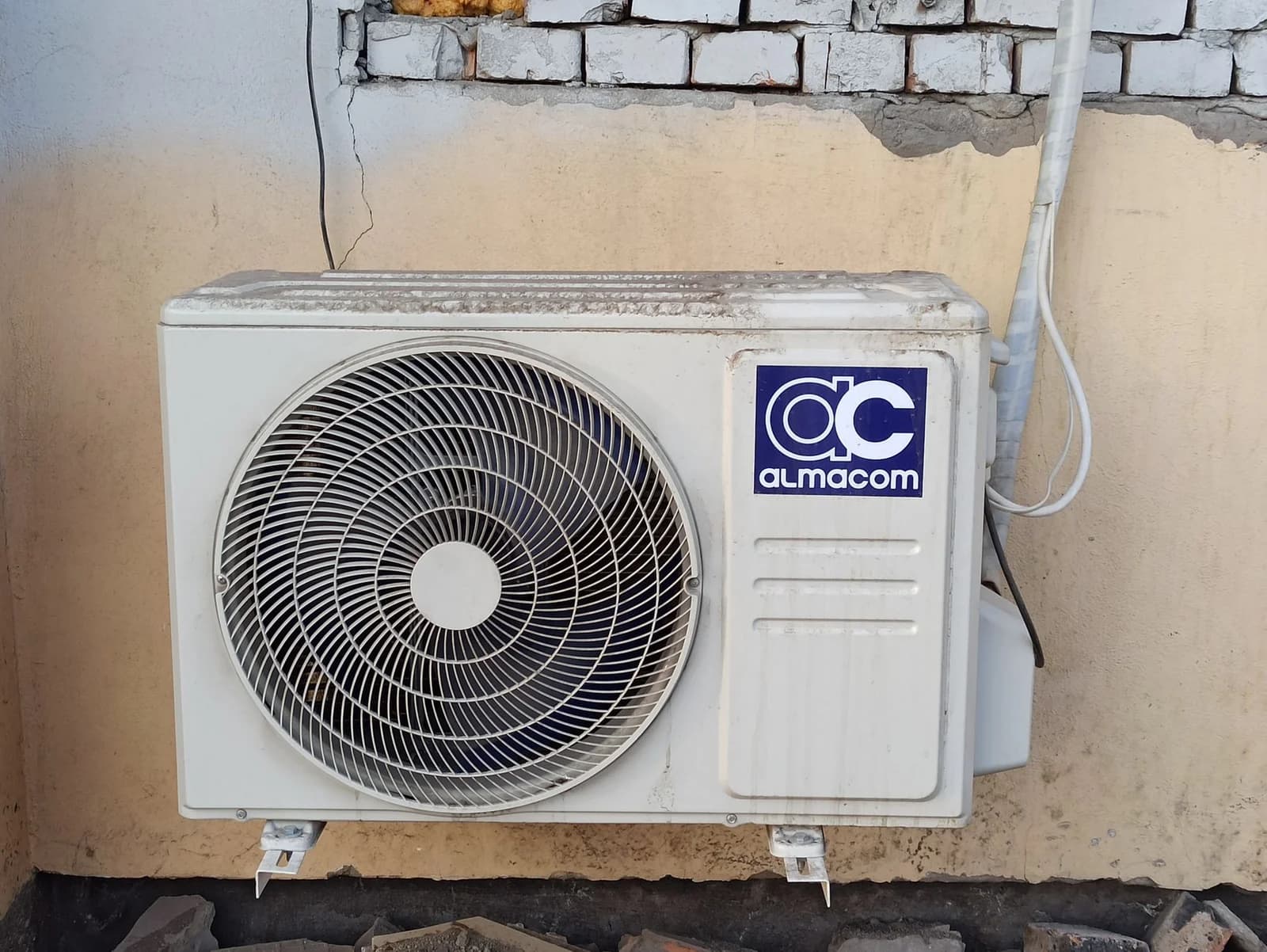
- Heat pump. One system for heating and cooling. It needs an outdoor unit, which in Bell Canyon means HOA approval for placement and screening. New split heat pumps are made with lower-GWP refrigerants such as R-454B or R-32.
- Ductless heat pump. The answer for an addition, a casita or a converted garage that the main ducts never reached. Our ductless mini split crew handles those heads and the line set.
If the current heater still runs, there is time to weigh these properly. If it has stopped, book heating repair first so the house stays warm while the install is planned.
What the site visit measures
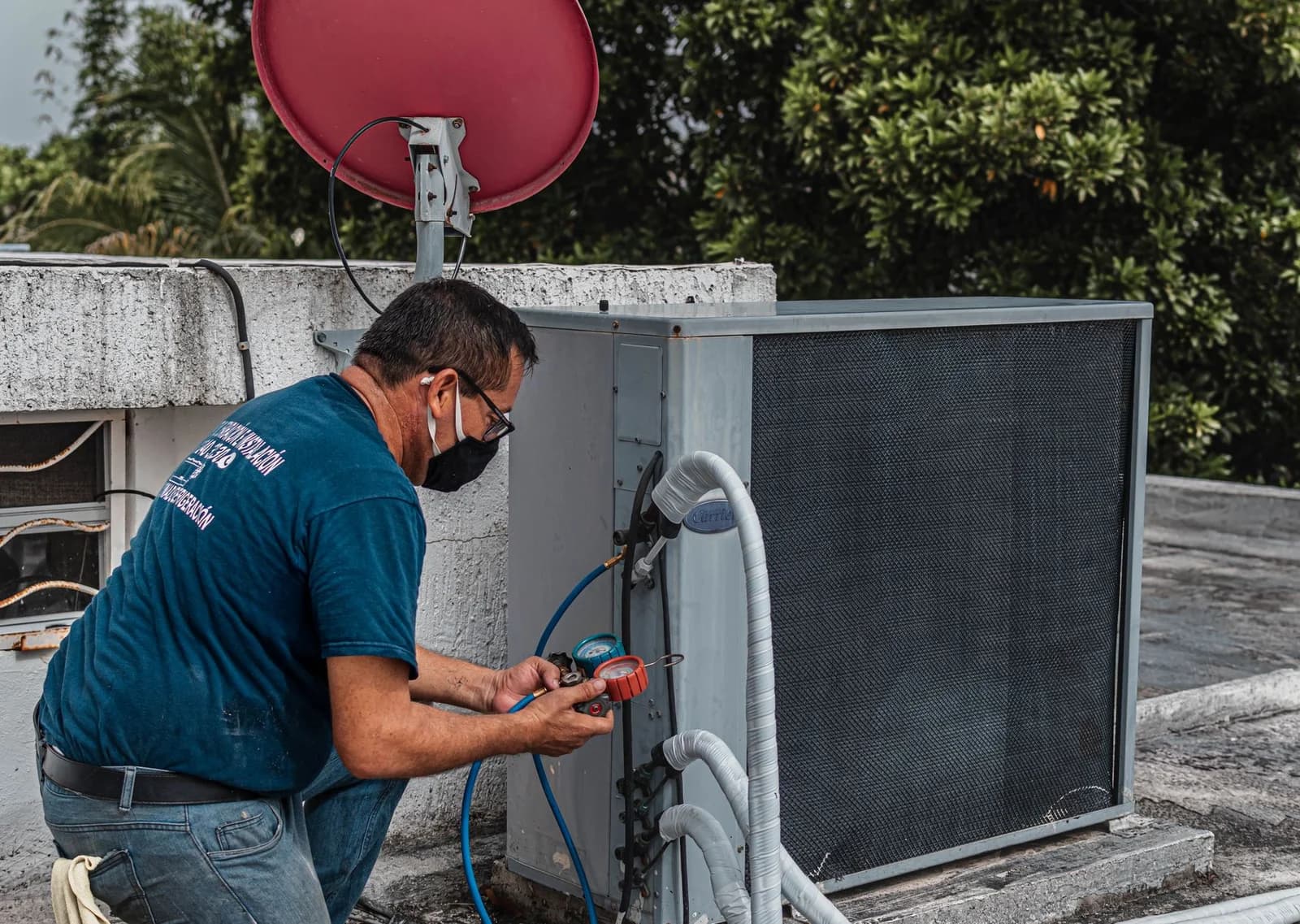
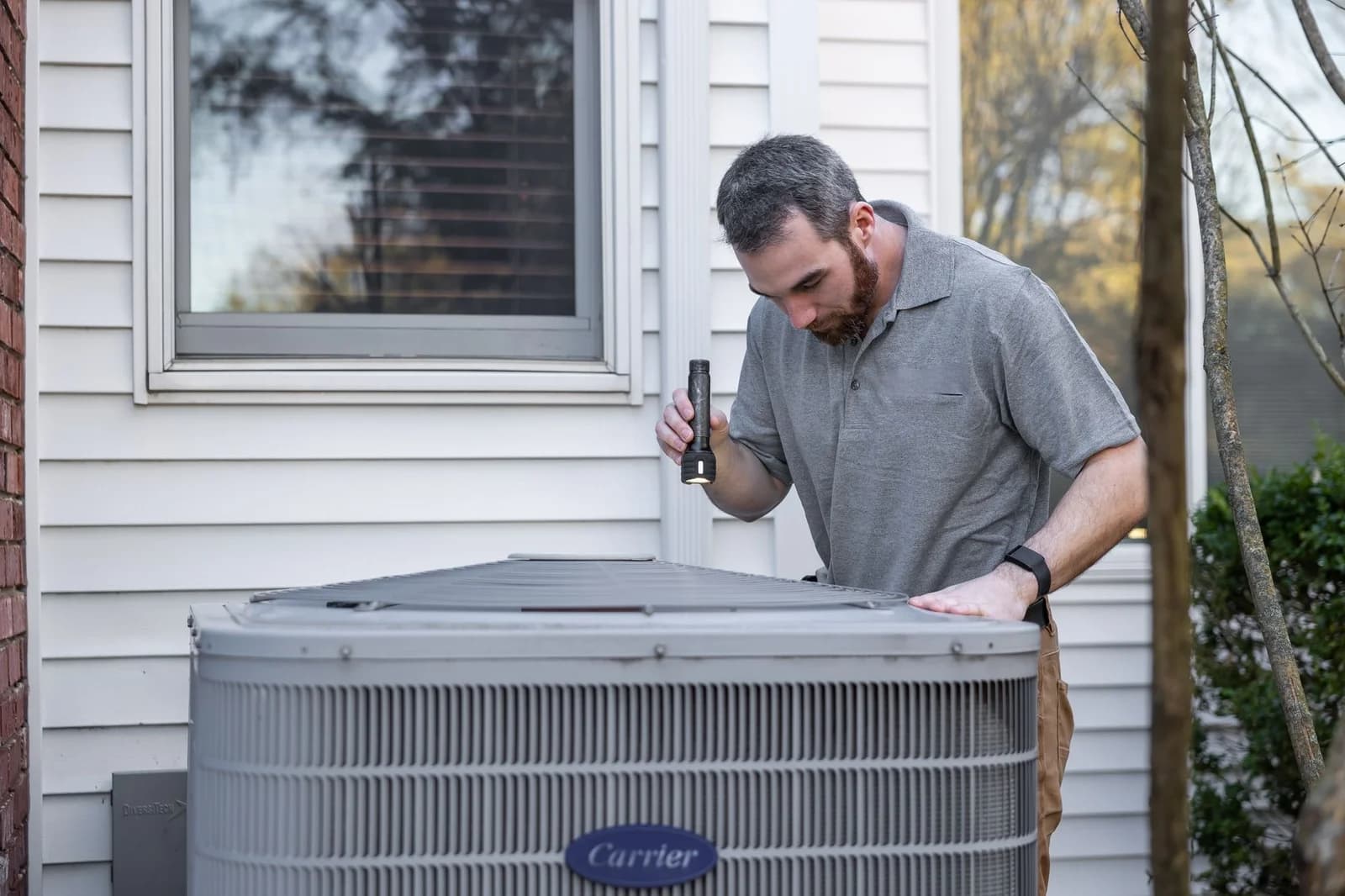
The visit is where your price is built. The technician measures the rooms and runs the load calculation. The ducts get looked at for size, leaks and damage. The vent path, the gas line and the electrical panel are checked against the equipment you are considering. Access to the attic, closet or crawl space is noted, along with where any outdoor unit could sit inside the HOA rules.
You leave the visit with the options in front of you, and the written quote follows with each line priced.
Permit, HOA and the winter calendar
Replacing a furnace or heat pump in California is permitted work. In Bell Canyon that permit runs through Ventura County Building and Safety, and the inspection happens after the install. If your scope triggers the Title 24 duct test, the HERS rater visit gets scheduled too.
An HOA step applies when equipment goes outside. A furnace swapped in the garage usually has nothing new on the exterior. A heat pump does, so the placement, screening and noise limits in the CC&Rs need sign-off before the crew can start. We track that paperwork with you so the install date holds.
This is why autumn is the time to book. The cold nights in the canyon run from November through February, and a quote signed now leaves room for the permit and the HOA without leaving you short of heat.
Install day and the startup check
On install day the crew shuts off the fuel and power and removes the old unit. The new heater goes in, the connections are made, and the system is commissioned. Startup testing checks ignition, airflow and the thermostat, then you get a walkthrough of the controls and the filter.
California law requires carbon monoxide alarms in homes with a fuel-burning appliance, a fireplace or an attached garage. A new gas or propane heater is a good moment to confirm yours are in place.
The equipment we install, from furnaces to heat pumps, is listed on our heating installation page.
FAQ
How soon can a new heater go in?
It depends on the permit and, for outdoor equipment, the HOA. A furnace swap with no exterior change moves faster than a heat pump that needs sign-off. Your quote lists the steps in order so you can see the timeline.
Should I replace my furnace with a heat pump?
It depends on your gas service, your panel and whether you also want new cooling. A heat pump covers both in one install. Ask for both options on the same quote and compare them line by line.
Can you install a heater in a home on propane?
Yes. Tell us you run on propane when you book, so the visit covers the tank connection and the right equipment. Propane homes can also go electric with a heat pump.
Will the new heater need new ductwork?
Not always. The site visit checks the ducts for size and leaks. Some homes need sealing or a section replaced, and the quote shows that as its own line.
Do you take the old heater away?
Yes. Removing the old unit is part of the install, and it is a line on your written quote.
Ready to price a new heater before the cold settles in? Call (877) 621-2068 and Canyon Ridge AC will book your Bell Canyon heater installation site visit.
Need Professional HVAC Service?
Our HVAC-experienced technicians are ready to help with all your AC and heating needs. Contact Canyon Ridge AC today for expert service throughout the the Western Santa Monica Mountains service area.