Failures Here Build Quietly, Then Show Up All at Once
An AC system rarely quits in Bell Canyon without some kind of warning first. It loses ground slowly, then gives out completely, usually on one of the hottest afternoons of the week after days of running close to nonstop. Two things push equipment harder here than in a flatter, more paved neighborhood nearby: stretches where afternoons regularly clear 90 degrees from July through September, and a steady supply of fine dust and debris blowing off the surrounding brush land. Catching the early signs is the difference between a same-day fix and a weekend spent without cooling.
Weak Airflow Coming Out of the Vents
Barely-there airflow at the registers usually traces to one of three causes: a filter choked with canyon dust, a blower motor wearing out, or ductwork that has come loose or collapsed somewhere in the attic. Dust and fine debris from the surrounding hillsides settle on equipment here faster than they would in a paved, developed neighborhood, so filters need checking on a shorter interval than the standard three month guidance suggests. A filter that would pass inspection after two months in a flatland tract home can already be significantly clogged in that same stretch here.
The System Runs, the House Never Actually Cools
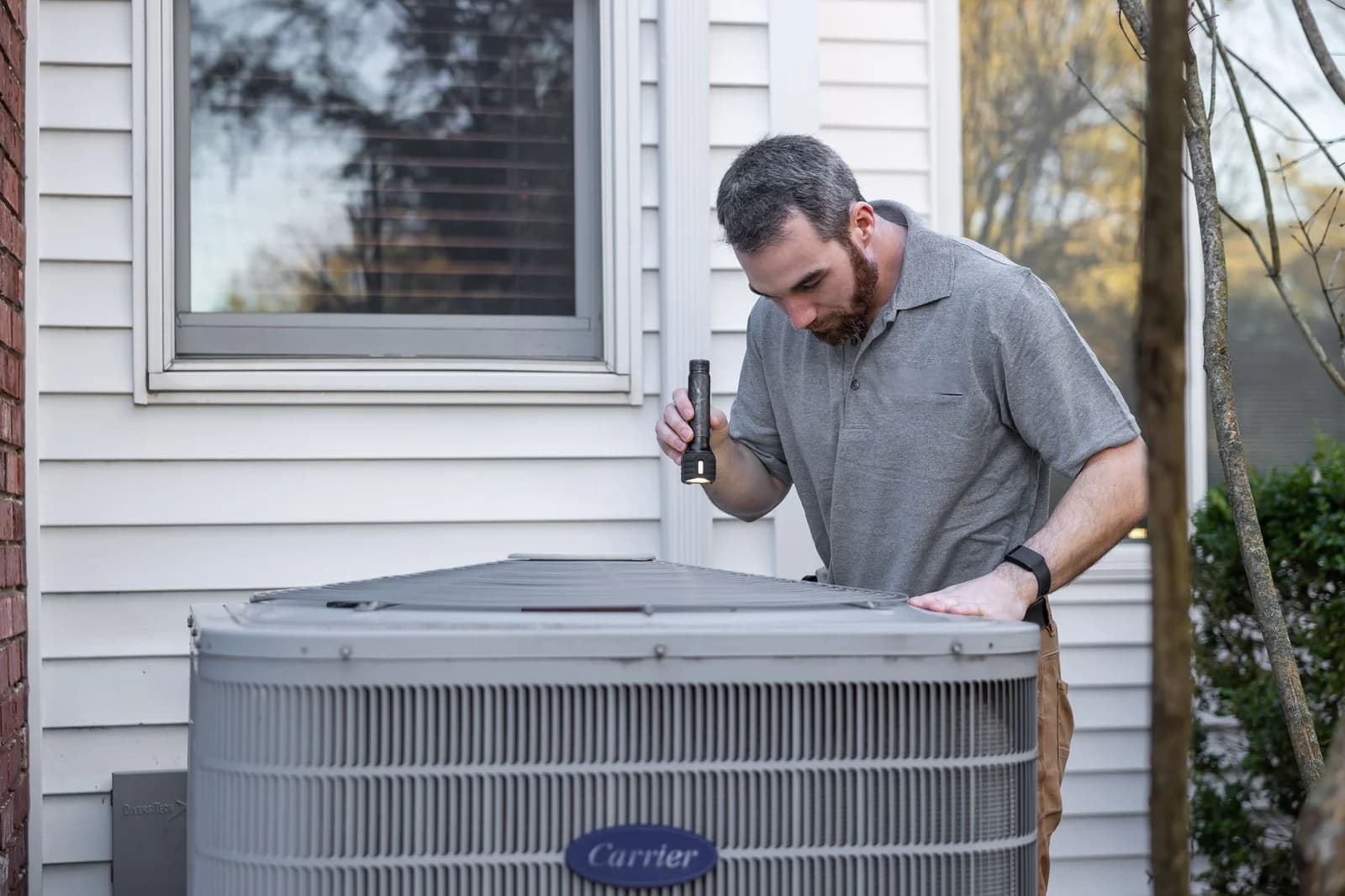
This ranks among the most common calls we take through July and August. The thermostat shows the system running, air is moving at the vents, yet the house never quite reaches the set temperature. Two causes explain most of these calls: a slow refrigerant leak cutting into the system's cooling capacity, or a condenser coil so coated in canyon dust and brush debris that it cannot reject heat properly anymore. Go a year or more without cleaning that coil and the efficiency loss becomes real, and during a run of 95 degree afternoons that loss is what separates a comfortable house from one stuck at 80 degrees.
Short Bursts: On, Off, On Again
A system kicking on, running a few minutes, shutting off, then repeating that cycle all afternoon needs attention. That pattern, known as short cycling, can stem from a capacitor going bad, a refrigerant charge thrown off by a slow leak, or occasionally a system that was oversized for the house from day one. The compressor takes the brunt of that stress, and since it is the single costliest part in the system, a unit short cycling regularly deserves a look before the compressor itself gives out.
Grinding or Squealing From the Outdoor Unit
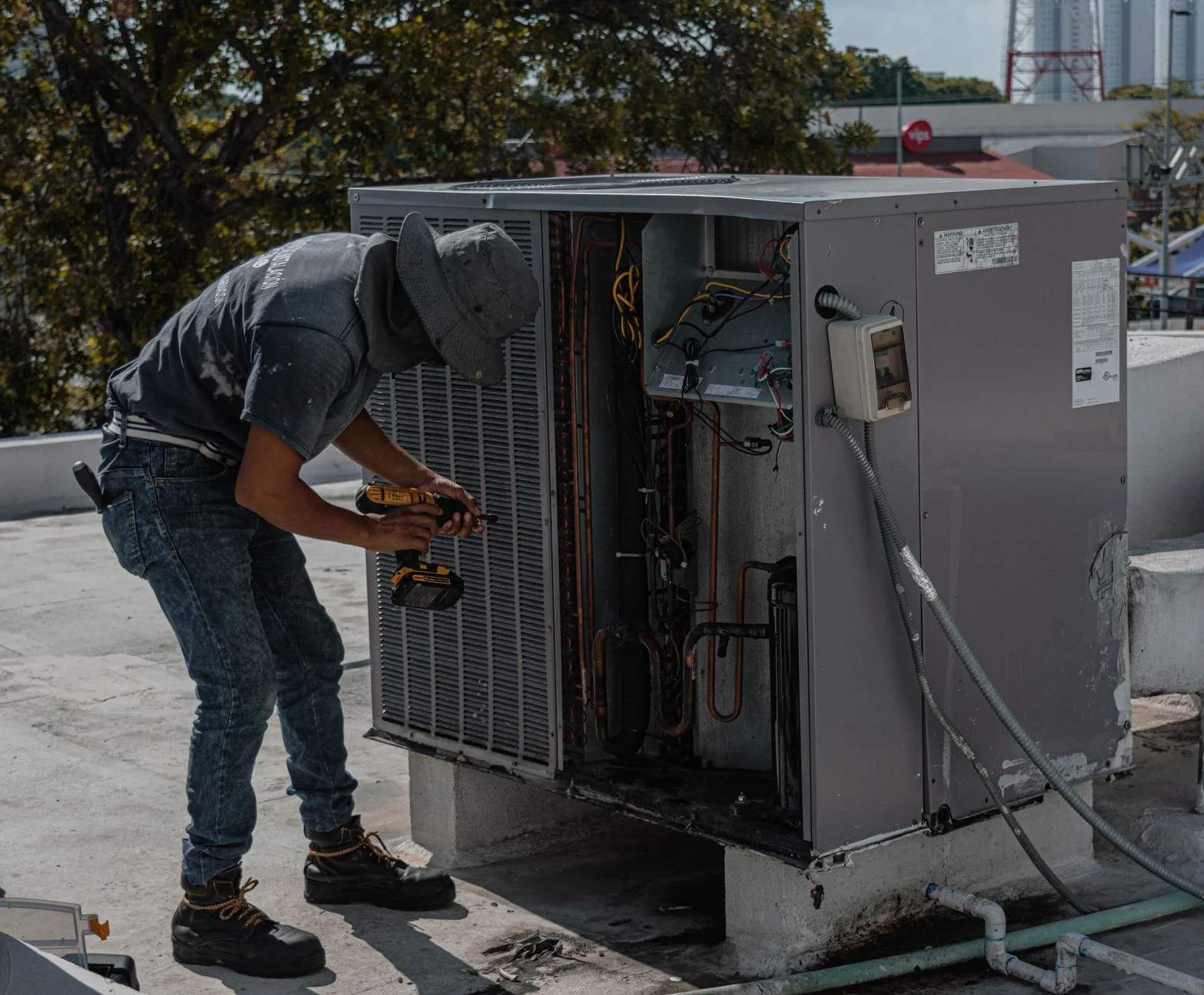
A healthy condenser runs with a steady, even hum. Grinding, squealing, or rattling coming from it usually points to a fan motor bearing on its way out, a loose access panel, or debris caught in the fan blade, something that shows up more often here than in cleaner suburban settings simply because of how much leaf litter and brush debris blows onto canyon lots. Grinding especially deserves a same-day call. Let a fan motor quit outright on a 95 degree afternoon and the compressor loses its airflow too, which can trip a safety limit and overheat the compressor itself, turning what should have been a cheap fan fix into a much pricier compressor swap.
A Summer Power Bill That Jumped for No Obvious Reason
A dirty coil, a refrigerant leak, or a component starting to fail all do the same thing to a system's efficiency: force it to run longer to hold the same indoor temperature. That extra runtime shows up on the electric bill well before it shows up as a symptom anyone notices inside the house. A July or August bill running noticeably above the same month last year, with nothing else about the household different, is worth a service call rather than a wait-and-see approach.
A Quick Way to Think About Repair Versus Replace
None of these five signs automatically means a new system is the answer. A weak capacitor or a dirty coil on an otherwise sound unit is a simple, inexpensive fix. Age shifts that math, though. Past 12 to 15 years old, more than one repair across the last two summers, or still running refrigerant that manufacturers have since phased out, and replacement usually pencils out better than another repair. Whoever diagnoses the immediate issue should also tell you honestly whether it looks like the last problem or the first of several, not just patch the symptom and move along.
Canyon Geography Raises the Stakes on Response Time
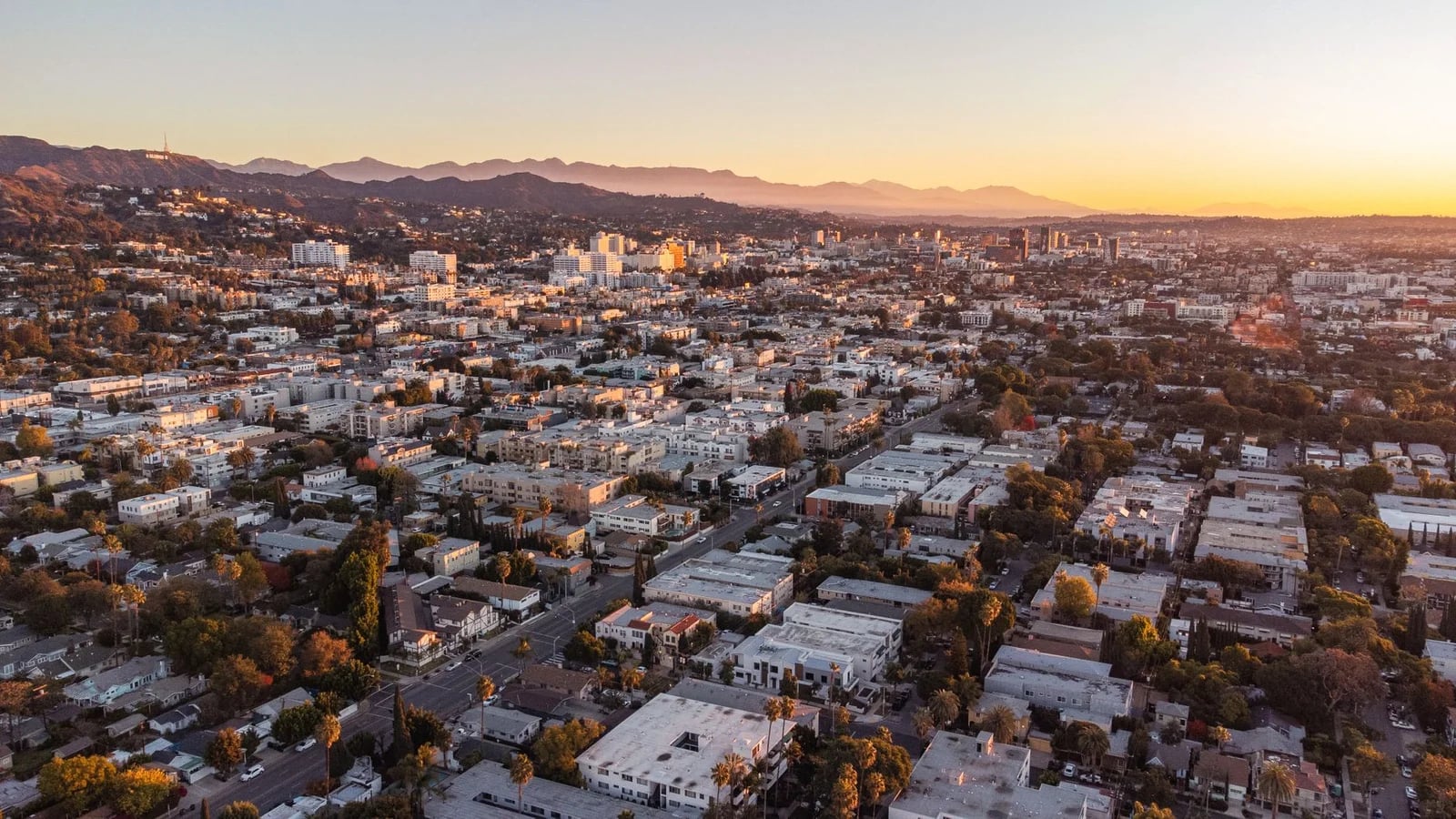
A technician unfamiliar with Bell Canyon loses real minutes just locating the property and getting through gate access, given how the community sits tucked into the western Santa Monica Mountains. We keep a tight route through Bell Canyon and Hidden Hills specifically so same-day repair holds up through peak season, and our crews already know gate codes and street layout rather than learning them mid-drive.
The surrounding area raises the stakes further. West Hills, just down the corridor, absorbs the full force of inland San Fernando Valley heat, and readings past 100 degrees are routine there through August and September. During those peak heat events, Woodland Hills has been recorded as the hottest neighborhood in the entire Los Angeles metro, with summer readings reaching 110 to 115 degrees. Sitting up at elevation gives Bell Canyon a measure of relief the valley floor does not get, though a broken AC on one of those regional scorchers is still no small thing to live through, especially in a household with young kids, older adults, or pets home all day.
What a Diagnostic Visit Actually Covers
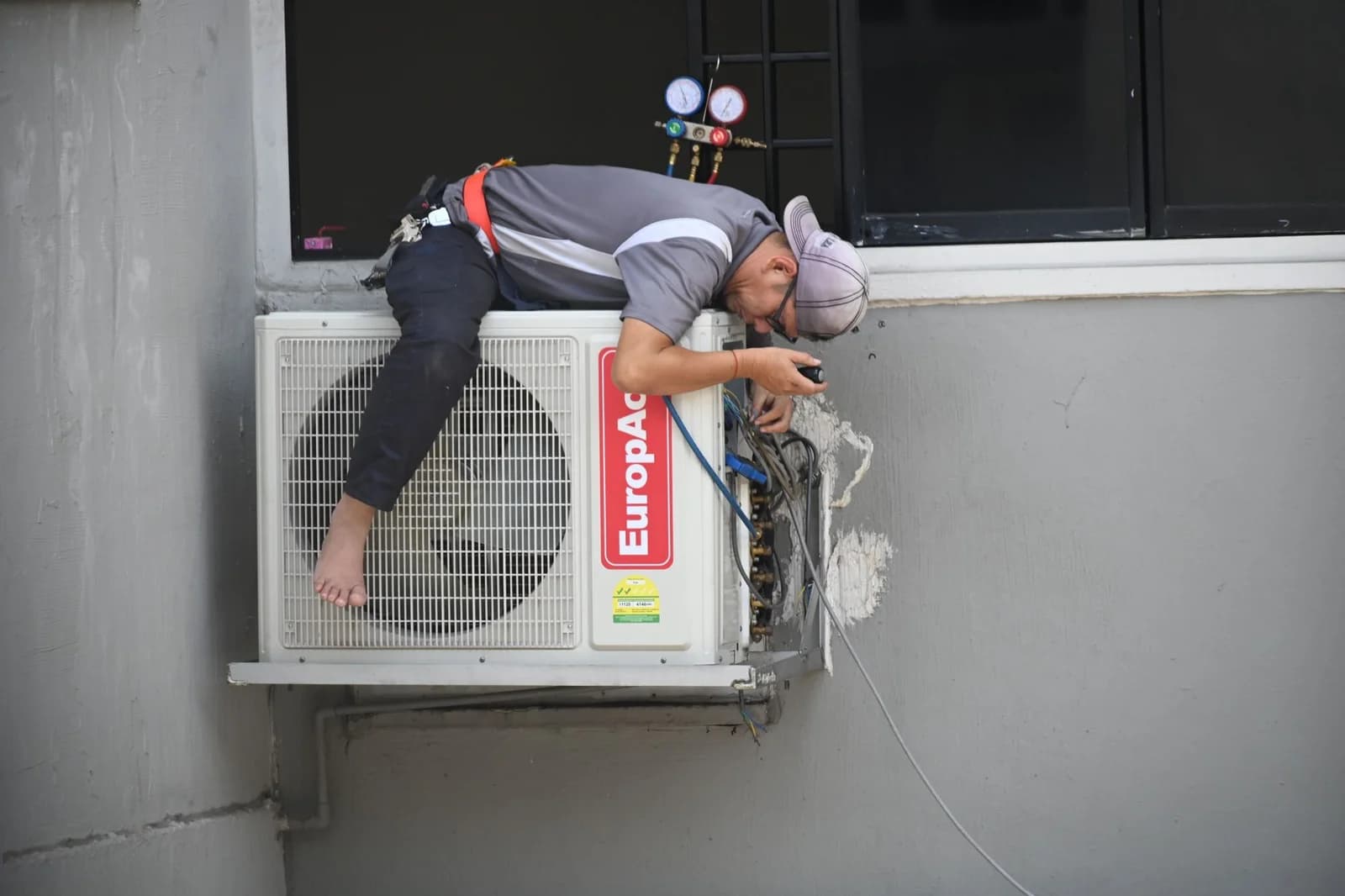
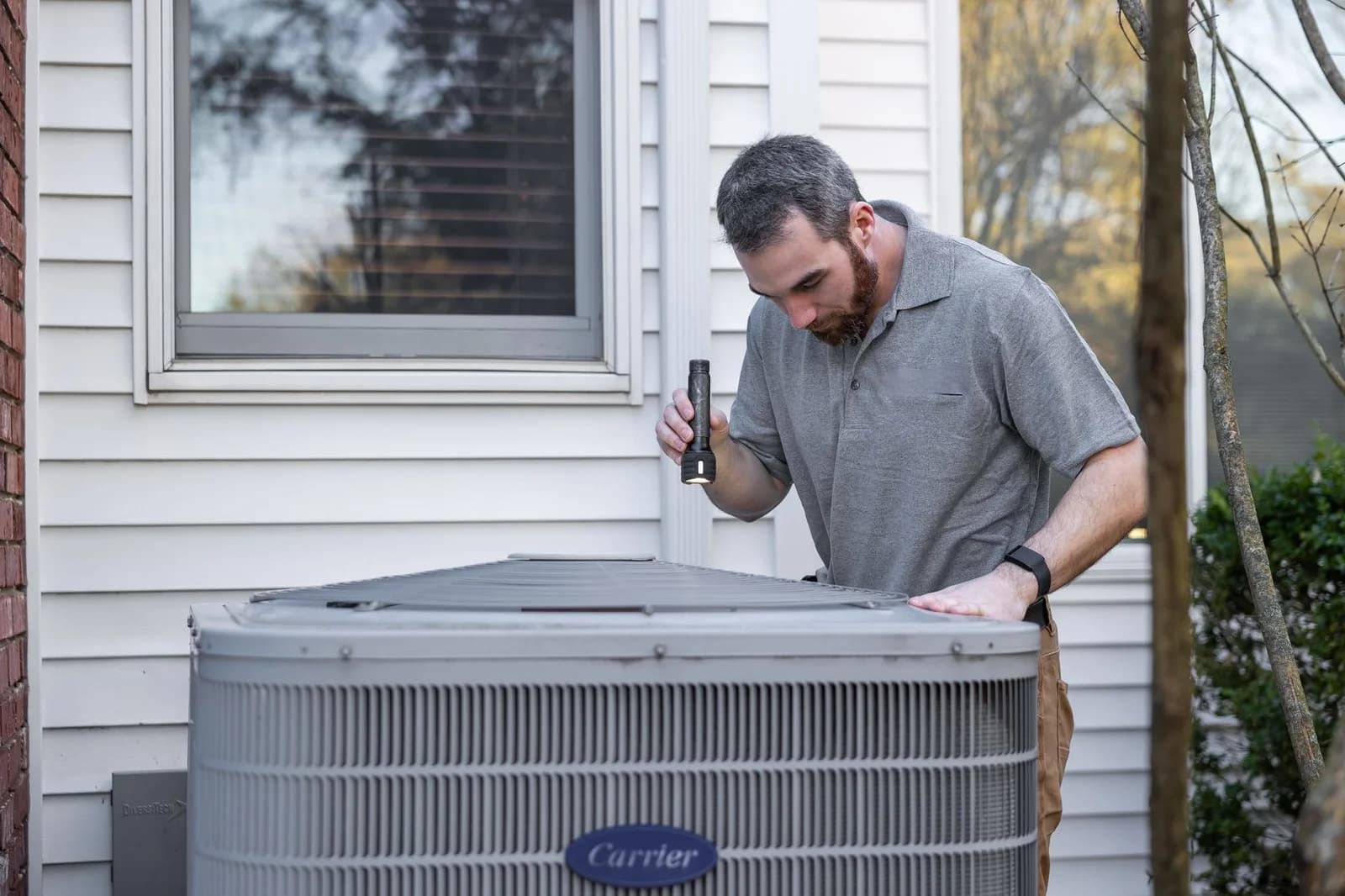
A repair call starts with checking the refrigerant charge and testing the condenser fan motor. From there we inspect the capacitor and contactor, clear the condensate drain if it needs it, and clean the outdoor coil when canyon debris has built up on it. Parts for the major manufacturers ride in our service vehicles, so most calls close in one visit rather than needing a second trip to track down a component. What you get afterward is a written explanation of the diagnosis, not just an invoice.
What Actually Rises to an Emergency
Not every AC issue justifies an after-hours call, but a few genuinely do. Zero cool air during a run of 95 degree days, especially in a home with infants, elderly residents, or anyone with a heat-sensitive medical condition, is a same-day priority no matter the hour it happens. A burning smell from the outdoor unit, or a breaker tripping repeatedly on startup, both signal an electrical fault that should not sit overnight, since continuing to run a system in that state can turn a repair into a full replacement of a major component. If you cannot tell whether it rises to that level, pick up the phone anyway and walk us through what you are noticing. Talking it through with you beats letting someone sit through a genuine emergency without calling.
Do Not Wait for a Total Shutdown
Weak airflow, short cycling, or a strange noise from the outdoor unit are all reasons to call before the system fails outright on the hottest day of the season. Canyon Ridge AC handles same-day and emergency AC repair everywhere from West Hills and Hidden Hills to Bell Canyon itself and the rest of this corridor. Dial (877) 621-2068 to get a technician on the schedule.
Need Professional HVAC Service?
Our HVAC-experienced technicians are ready to help with all your AC and heating needs. Contact Canyon Ridge AC today for expert service throughout the the Western Santa Monica Mountains service area.